
UNESCO Chair · University of Groningen
Where Greenmapper works: Man and Biosphere Areas
Greenmapper is the research platform of the UNESCO Chair in Sustainable Landscape Governance, Education and Citizen Science, held by Frans Sijtsma at the University of Groningen. Its working ground is UNESCO’s network of Man and Biosphere Areas.

A UNESCO Chair for landscapes and citizen science
It is the University of Groningen’s first UNESCO Chair, and it studies how people’s attachment to the places they love can be given real weight in decisions about land use, management and protection — and how citizens can take part in that, anywhere in the world.
Man and Biosphere Areas — often called biosphere reserves — are UNESCO’s living laboratories for sustainability: places designated to show that protecting nature and making a living from a landscape can happen in the same place, at the same time.
There are 797 Man and Biosphere Areas, in 145 countries, together covering more than five per cent of the Earth’s land surface. Nine in ten overlap with a Key Biodiversity Area — a large share of the biodiversity the world is trying not to lose sits inside them.
They include the Serengeti–Ngorongoro, the Central Amazon and the Galápagos — and De Maasheggen, a hedgerow landscape along the river Meuse. Size and fame are not the criterion; the way people and nature share the land is.
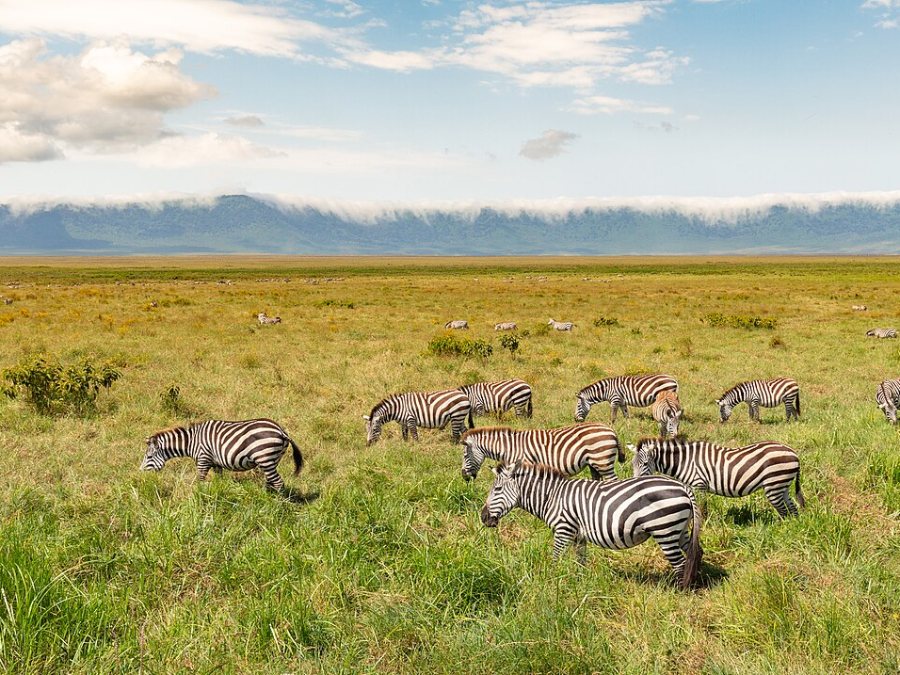 Serengeti–NgorongoroTanzania
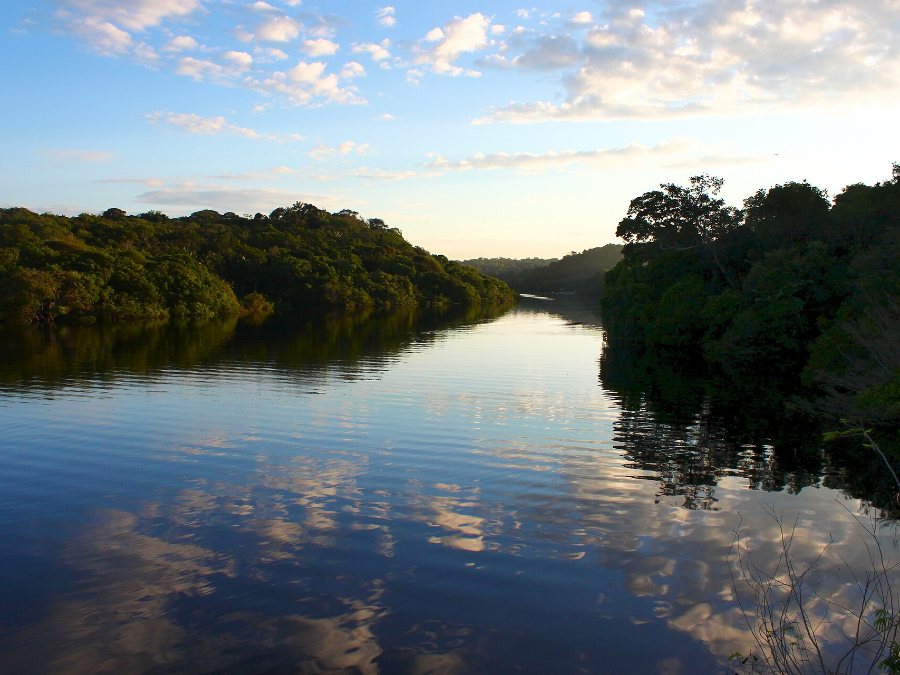 Central AmazonBrazil
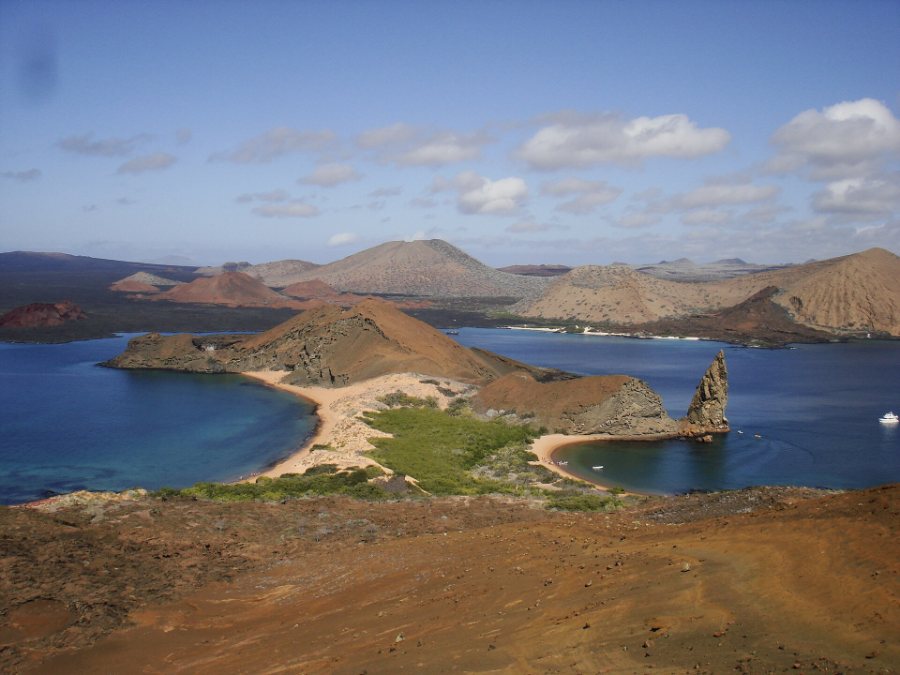 GalápagosEcuador
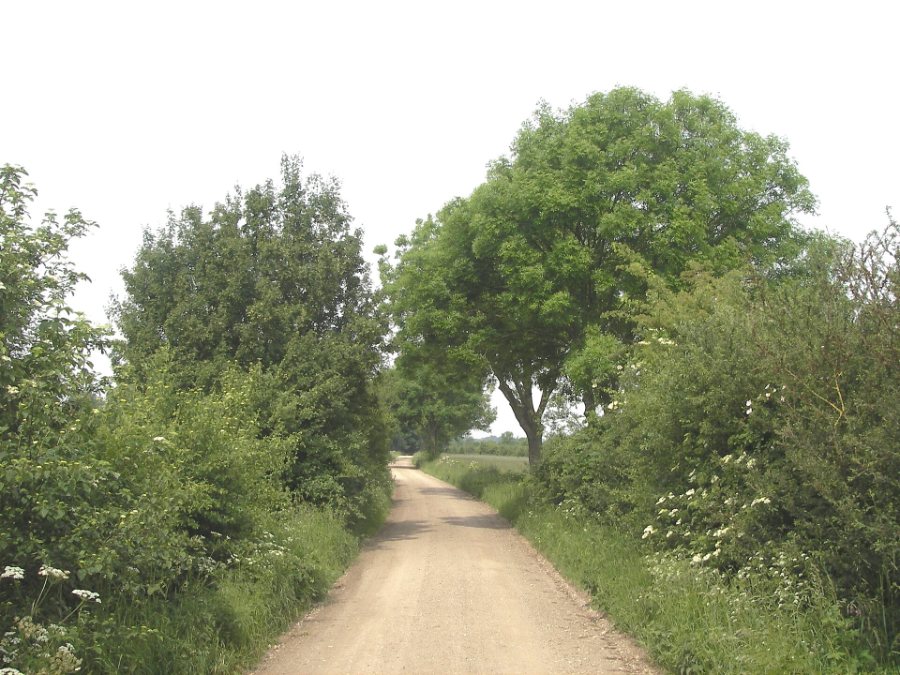 De MaasheggenNetherlands
Photographs, left to right: Diego Delso (CC BY-SA 4.0); Artur Warchavchik (CC BY-SA 3.0); Pete from USA (CC BY-SA 2.0); Chris Peel (CC BY-SA 3.0). Page header: Diego Delso (CC BY-SA 4.0). All via Wikimedia Commons, cropped and resized for the web.
How a biosphere area is built
Each area is designed in three rings, and that design is the whole idea:
- Core — strictly protected. The ecosystem itself, and the yardstick against which everything around it is measured.
- Buffer — research, education, tourism and careful use, all in service of the core.
- Transition — the large outer area where people live, farm and work, and where sustainable development has to prove itself in practice.
Protection and daily life are not kept apart here; they are designed as one landscape. That is what makes these areas difficult to govern — and what makes them worth learning from.
Why capacity building is the bottleneck
UNESCO asks every area to do three things: conserve, develop sustainably, and build capacity. The third is the hardest. Designing protection and livelihoods as one landscape only works if the people who shape that landscape — farmers, ports, municipalities, managers, residents — share a basic understanding of how it works as a whole. That understanding is usually missing: scattered across disciplines, institutions and languages, and rarely assembled for the place itself.
This is where the Chair puts its weight. What these areas rarely have on record is what people actually value, and where — evidence that has barely counted in decisions so far, even though it is the reason these landscapes are defended at all. Three things are being built to change that, and they are meant to work as one.
A global survey database
Representative survey work that records which nature and landscapes people value, and where — country by country, in the same way each time, so the answers can be compared. Open to researchers and to policy making.
Greenmapper Friends
A community of fans around each area, including the many who love a place from a distance. Fans take part in deliberation through Polis, our conversation tool, and can both fund what an area needs and guide where the money should go.
An online landscape observatory
A portal that brings what is known about a landscape together in one readable place — story maps and interactive maps — with a short open course per landscape, so residents, managers and students learn it as one system.
Developed with core partners in China, Brazil, South Africa, Tanzania and Ghana. In the Netherlands the Chair works with Staatsbosbeheer, host of the national coordination point for Man and Biosphere Areas (Coördinatiepunt Mens & Biosfeergebieden Nederland), which covers De Maasheggen and Kempen-Broek — the latter shared with Belgium. The Wadden Sea serves as the reference case close to home.
The core team in the Netherlands
Frans Sijtsma
UNESCO Chair holder
University of Groningen
Michiel Daams
Assistant professor, Faculty of Spatial Sciences
University of Groningen
Jori Wolf
Programme manager of the national coordination point
Staatsbosbeheer
The international core team
Han Feng
Professor of landscape architecture
Tongji University, China
Jean Paul Metzger
Professor of ecology
University of São Paulo, Brazil
Guy Midgley
Chief academic director, School for Climate Studies
Stellenbosch University, South Africa
Alex Kisingo
Deputy Rector for academic research
College of African Wildlife Management, Tanzania
Kofi Fred Asiedu
Chief Management Consultant
Ghana Institute of Management and Public Administration, Accra
Figures: UNESCO Man and the Biosphere Programme.
Nature needs you
Map the places you love
Greenmapper is the research platform of the Chair. Create a free account and mark the nature places that matter to you — it takes about ten minutes.